Lime vs Modern Plaster: Luxury Period Property Guide
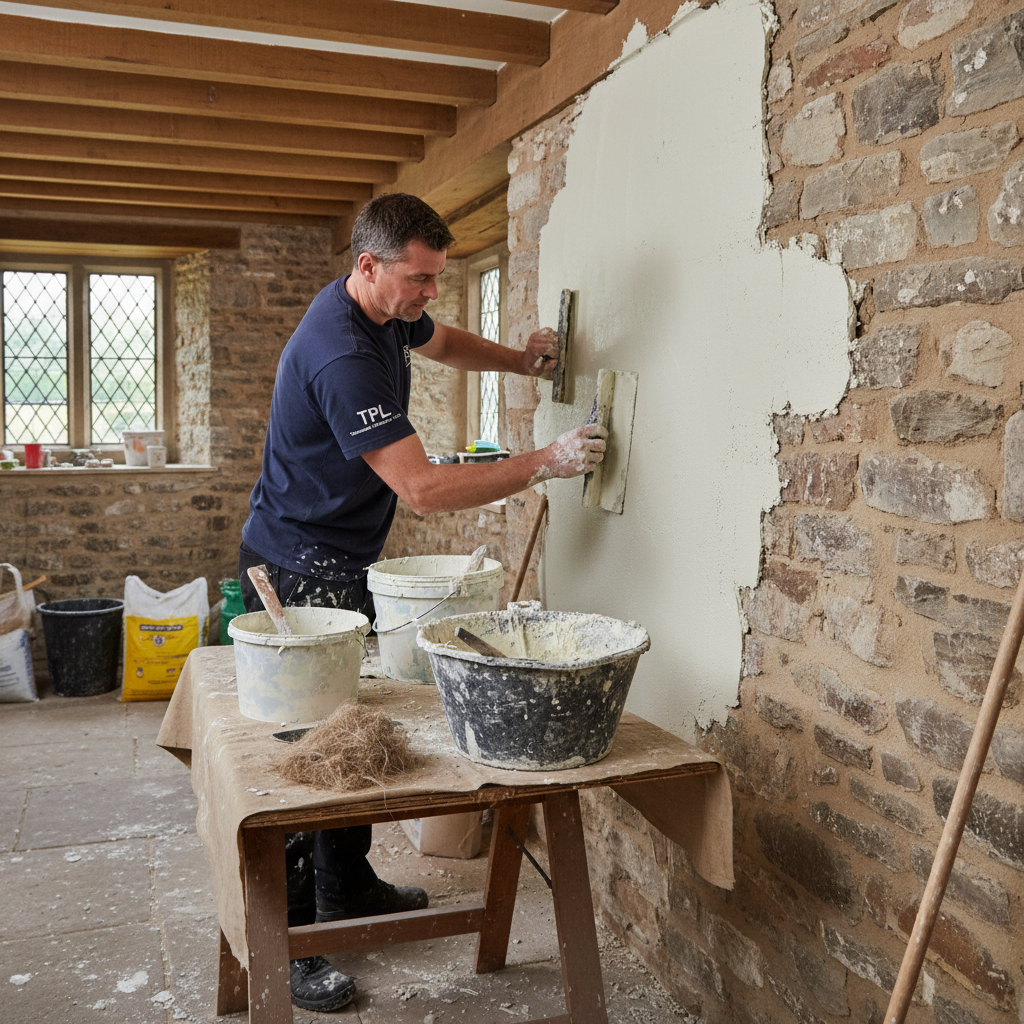
Understanding the Foundations of London’s Finest Period Properties
In the heart of Central London, from the stucco-fronted terraces of Belgravia to the red-brick manors of Chelsea, the fabric of our properties tells a story. For homeowners residing in these prestigious postcodes, renovation is not merely about aesthetic updates; it is about stewardship. One of the most critical decisions you will face during a restoration project is the choice between traditional lime plaster and modern gypsum-based alternatives.
At The Painters London, we understand that the walls of a period property are a living system. Choosing the wrong material can lead to more than just a poor finish—it can cause structural issues such as damp, salt migration, and the deterioration of original masonry. This guide explores the fundamental differences between lime and modern plaster, helping you make an informed decision for your home’s longevity and luxury finish.
The Science of Breathability: Why Lime Matters
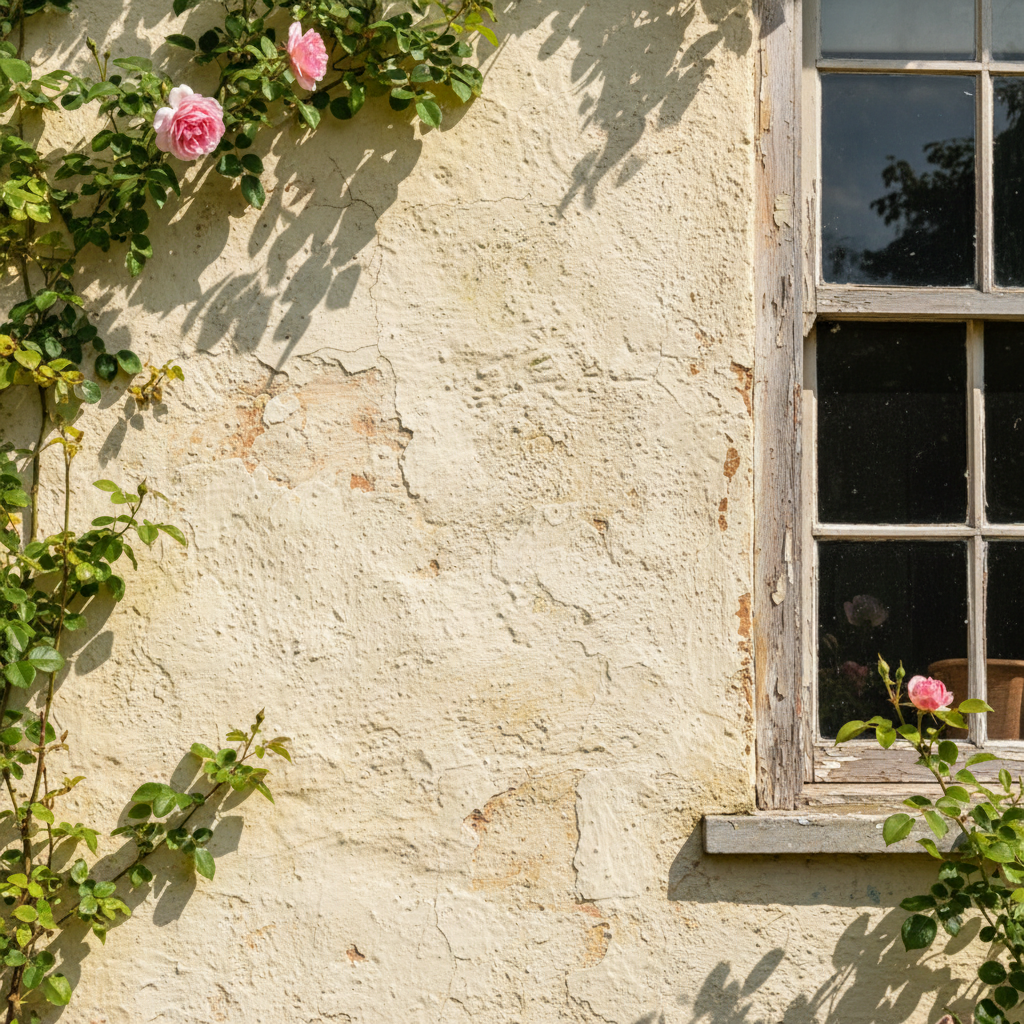
The primary difference between lime and modern gypsum plaster lies in "breathability." In the context of period property decoration, breathability refers to the material's ability to allow water vapour to pass through it. Before the mid-20th century, houses were designed to manage moisture this way. Solid brick walls absorb a certain amount of moisture, which then evaporates through the porous lime plaster and breathable paints.
Modern gypsum plaster, while convenient, acts as a sealed barrier. When applied to the solid masonry common in Kensington or Mayfair, it traps moisture behind the surface. This trapped water eventually manifests as "blown" plaster, peeling paint, or health-impacting mould. Lime, being naturally alkaline, also acts as a natural fungicide, further protecting your interiors.
Modern Gypsum Plaster: The Contemporary Standard
Modern plaster is the industry standard for new builds. It is quick-setting, cost-effective, and provides a perfectly smooth, uniform surface that is ready for painting within days. For modern extensions or internal stud walls within a period home, it is often a practical choice.
Pros of Modern Plaster:
- Speed: Sets and dries significantly faster than lime.
- Finish: Achieves a "glass-smooth" finish easily.
- Availability: Easily sourced and applied by most general contractors.
Cons of Modern Plaster in Period Settings:
- Rigidity: It is brittle. Period homes naturally shift and settle; gypsum lacks the flexibility to move, leading to hairline cracks.
- Non-Porous: Can exacerbate damp issues in solid-wall properties.
Traditional Lime Plaster: The Luxury Choice for Longevity
Lime has been used for millennia, and for good reason. For properties in Belgravia, where architectural integrity is paramount, lime offers benefits that modern materials simply cannot match. It is a slower, more artisanal process, but the results are superior in terms of both health and aesthetics.
The Aesthetic Appeal
Lime plaster has a soft, luminous quality. It reacts to light differently than the flat, plastic-look of modern finishes. When paired with high-end wallcoverings or specialist paints, it creates a depth of character that feels authentic to the building's era. Furthermore, if you are looking for a truly bespoke finish, lime is the precursor to many decorative techniques, such as Venetian plaster, which can add a marble-like lustre to your feature walls.
Key Differences at a Glance
When deciding between the two, consider the following technical comparisons:
| Feature | Lime Plaster | Modern Gypsum |
|---|---|---|
| Flexibility | High (Self-healing properties) | Low (Brittle) |
| Curing Time | Weeks/Months | Days |
| Eco-Friendliness | Low carbon footprint, absorbs CO2 | Energy-intensive production |
| Durability | Can last centuries | 20-40 years average |
How to Identify What Your Home Needs
If you are living in a Victorian, Georgian, or Edwardian home in Chelsea, the first step is to identify the existing substrate. You can often tell by tapping the wall; lime on lath (timber strips) has a distinct hollow sound and a slight 'spring' to it. If you see horsehair in any broken patches of plaster, you are certainly looking at a traditional lime mix.
If your property is currently suffering from peeling paint near the skirting boards or a musty scent in the winter, it is highly likely that a previous renovation used modern, non-breathable materials over original lime, trapping moisture in the process.
The Restoration Process: What to Expect
Switching back to lime—or repairing existing lime—is a specialist task. It involves three distinct coats: the scratch coat, the float coat, and the skim coat. Each layer must be allowed to carbonate (harden) gradually. While this requires a longer project timeline, it is an investment in the value of your Central London home.
At The Painters London, we ensure that the transition between plastering and the final decorative flourish is seamless. We often advise clients on the integration of gilding or fine decorative finishes that work in harmony with the natural texture of the walls, ensuring a cohesive, luxury interior.
Practical Tips for London Homeowners
- Consult a Specialist: Before stripping any walls, have a professional assess the condition. Often, original lime can be saved and consolidated rather than replaced.
- Match the Paint: Never use standard retail acrylic or "washable" paints on lime plaster. This seals the pores. Opt for high-quality mineral paints or traditional clay-based paints that maintain breathability.
- Consider the Room: While lime is essential for external-facing solid walls, you may choose modern gypsum for new internal partition walls or ceiling repairs where moisture is not an issue.
- Ventilation is Key: Regardless of the plaster used, London's humid climate requires adequate ventilation. Ensure your renovation includes discrete, effective airflow solutions.
Investment in Your Property’s Future
In the luxury real estate market of Prime Central London, the quality of a renovation is measured by its attention to detail and respect for the building's soul. Using lime plaster is a hallmark of a high-end restoration. It demonstrates a commitment to quality that goes beneath the surface, ensuring the property remains healthy, beautiful, and structurally sound for the next generation of residents.
Whether you are restoring a grand townhouse or a sophisticated apartment, the choice of plaster sets the stage for everything that follows—from the precision of the joinery to the richness of the final coat of paint.
Expert Decoration for Your Period Home
Choosing between lime and modern plaster is just the first step in a successful renovation. The final execution requires a team that understands the nuances of luxury finishes and the specific requirements of London’s most prestigious residences.
For more information on how we can help you achieve an immaculate finish in your home, visit our full range of services. Our team is experienced in working alongside specialist contractors to provide the final, flawless decorative layer your property deserves.
Are you ready to transform your interiors with a finish that respects your home’s history? Contact the experts at The Painters London today for a personal consultation.
Secure your professional finish: Book your consultation here.
",meta_description: