Gold Leaf Gilding: Traditional vs Modern Techniques
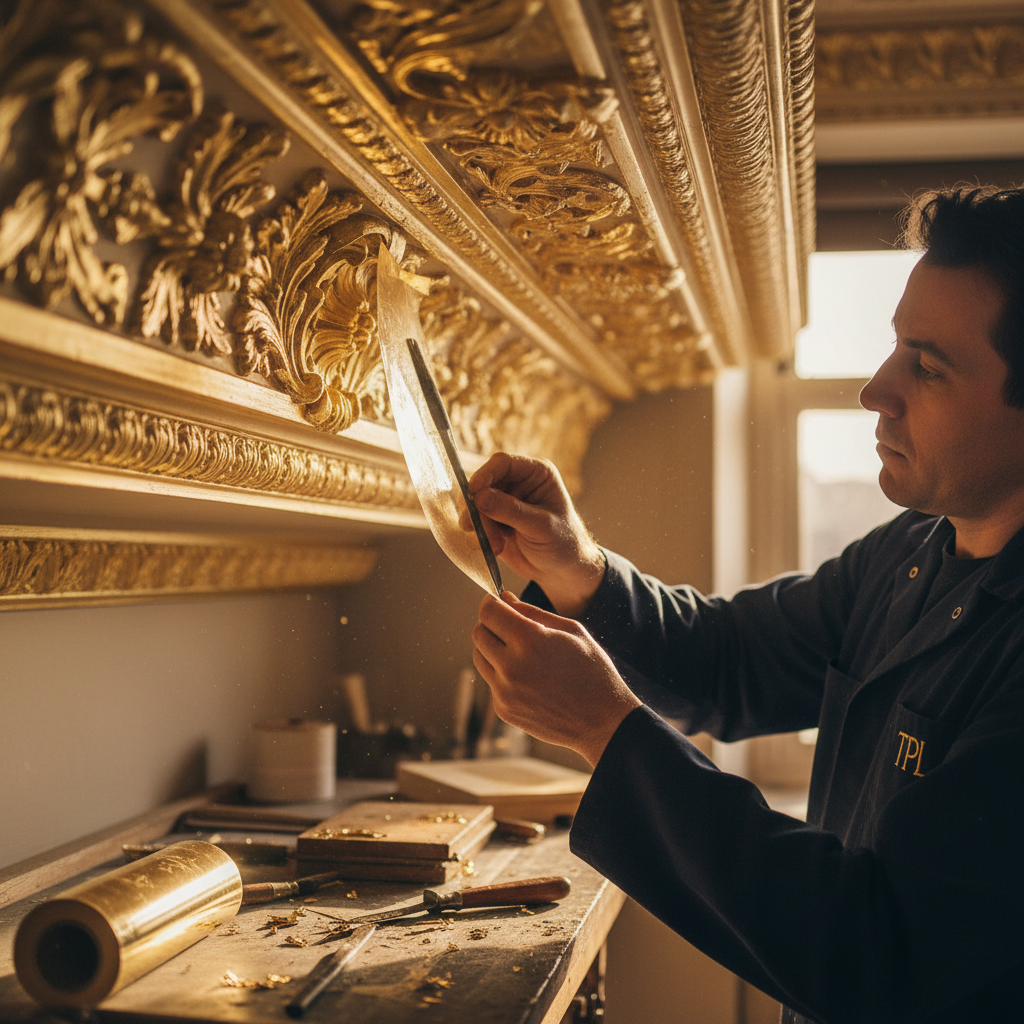
In the grandest residences of Mayfair and the storied townhouses of Belgravia, gold leaf remains the ultimate symbol of opulence and refined taste. For centuries, the art of gilding has transformed ordinary architectural details into luminous focal points that catch the London light in ways no paint ever could. However, as interior design evolves, so too do the methods used to apply this precious metal.
Since 1992, The Painters London has been at the forefront of preserving these traditional crafts while embracing modern innovations. Understanding the nuances between traditional water gilding and contemporary oil-based or synthetic techniques is essential for any homeowner looking to invest in expert gilding services. Whether you are restoring a Grade II listed ceiling in Kensington or adding a contemporary metallic accent to a Chelsea penthouse, the technique chosen will define the longevity and lustre of the final result.
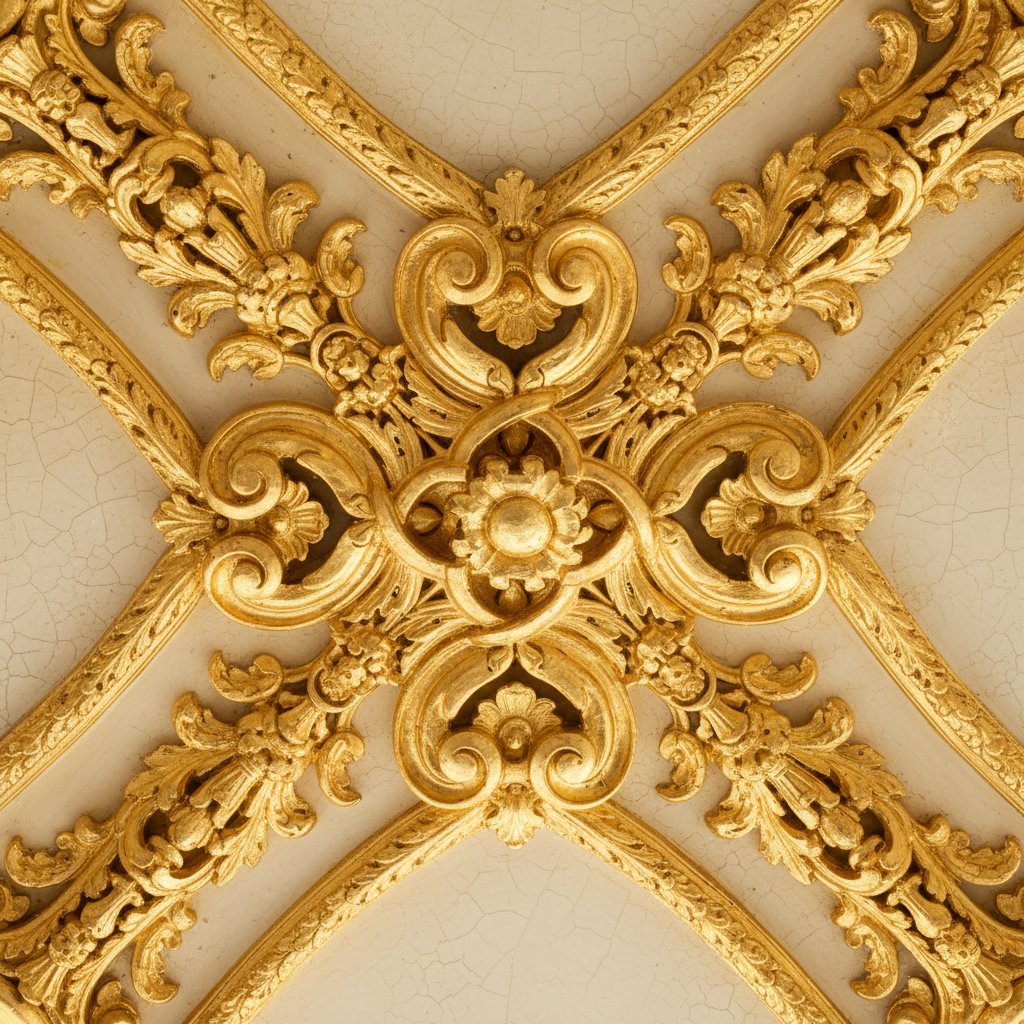
The Timeless Art of Traditional Water Gilding
Traditional water gilding is often considered the "gold standard" of the craft. It is a process that has remained largely unchanged for hundreds of years, relying on natural materials and painstaking manual labour. This method is almost exclusively used for indoor applications, particularly on carved wood, ornate plasterwork, and furniture.
The Process of Preparation
The foundation of water gilding is 'gesso'—a mixture of animal hide glue and crushed chalk or gypsum. This is applied in many thin layers, then sanded to a marble-like smoothness. Following the gesso, 'bole' (a refined clay) is applied. The colour of the bole—traditionally red, yellow, or black—subtly influences the final tone of the gold. In heritage restoration projects, matching the original bole colour is vital for historical accuracy.
The Application and Burnishing
The gold leaf is floated onto a film of water and alcohol. Once dry, the gold can be 'burnished' with an agate stone. This pressure compacts the gold and the clay beneath it, creating a mirror-like shine that is impossible to achieve with any other method. For homeowners in areas like Belgravia, where afternoon light floods through tall sash windows, the reflective quality of burnished water gilding creates a warmth that defines the room's atmosphere.
Modern Oil Gilding: Versatility and Resilience
While water gilding offers the highest shine, it is incredibly delicate and sensitive to moisture. This is where modern oil gilding (or mordant gilding) excels. This technique uses an oil-based 'size' (an adhesive) to bond the gold leaf to the surface.
When to Choose Oil Gilding
Oil gilding is the preferred method for architectural elements that cannot be easily moved or that may be exposed to varying humidity levels. It is also the standard for exterior work, such as the wrought iron railings of a Mayfair estate or the decorative flourishes on a stone portico. Unlike water gilding, oil gilding results in a 'satin' or matte finish, as the gold cannot be burnished to a high gloss. However, its durability and ease of application on diverse substrates—including metal, stone, and glass—make it a staple for modern luxury interiors.
Innovations in Materials: Synthetic Sizes and Transfer Leaf
The 21st century has introduced synthetic acrylic sizes and 'transfer' gold leaf. Transfer leaf is backed with tissue paper, making it easier to handle in breezy environments or on vertical surfaces. While traditionalists may prefer 'loose leaf', transfer leaf allows for cleaner lines and faster application in large-scale residential projects.
The Benefits of Modern Synthetics
- Reduced Drying Times: Traditional oil sizes can take 12 to 24 hours to reach the correct 'tack'. Modern synthetic sizes can be ready in as little as 30 minutes, allowing for faster project completion in busy Chelsea households.
- Odourless Application: Water-based synthetic adhesives are low-VOC, making them ideal for occupied homes where chemical smells are a concern.
- Stability: Modern adhesives are less prone to cracking in homes with underfloor heating, a common feature in Victorian renovations throughout London.
Heritage Restoration vs. Contemporary Design
Choosing between traditional and modern techniques often depends on the architectural context of the property. In Kensington, where many properties feature intricate Victorian or Georgian plasterwork, traditional water gilding is often used to maintain the integrity of the home's history.
Blending Styles
Many of our clients opt for a hybrid approach. We might use traditional water gilding on a focal point, such as a fireplace mantel or a central ceiling rose, while using oil gilding for repetitive cornicing or wall panels. This balances the budget and timeline without sacrificing the visual impact of genuine gold. Furthermore, gold leaf is frequently paired with other specialist services, such as Venetian plaster, to create a multi-textured, Mediterranean-inspired aesthetic that is currently trending in high-end London developments.
Maintaining the Lustre: Care for Gilded Surfaces
Regardless of the technique used, gold leaf is a thin layer of precious metal. To ensure it retains its beauty for decades, it must be cared for correctly:
- Never use cleaning chemicals: Gold leaf can be scratched or dissolved by harsh household cleaners. A soft goat-hair brush is all that is needed for dusting.
- Avoid touching: The oils from skin can tarnish the gold over time, especially if it was applied using the oil-gilding method which is often left unvarnished.
- Climate Control: Traditional water gilding reacts to extreme humidity. Maintaining a stable temperature in your home is key to preventing the gesso from cracking.
Why Professional Application Matters
Gilding is an unforgiving art. The leaf is so thin (approximately 0.1 microns) that it will highlight every imperfection in the surface beneath it. An amateur application can result in "holidays" (gaps in the gold), visible seams, or a dull, patchy finish. At The Painters London, our artisans possess the steady hand and patience required to handle 24-carat gold leaf, ensuring that every edge is crisp and every surface is flawlessly covered.
For those looking to complement their gilded features with equally luxurious wall treatments, our specialists also provide high-end wallcoverings and hand-painted finishes that serve as the perfect backdrop for gold accents.
Conclusion: Choosing the Right Finish for Your Home
The choice between traditional and modern gilding techniques isn't just about cost; it's about the "soul" of the finish. Traditional water gilding offers a depth and brilliance that connects a property to its historical roots, while modern techniques offer resilience and versatility for the contemporary London lifestyle.
If you are considering adding the timeless elegance of gold leaf to your residence, we invite you to consult with our experts. Whether you require a full restoration of heritage mouldings or a bespoke contemporary installation, we bring thirty years of expertise to every project.
Transform your home with the touch of a master gilder. Contact The Painters London today to book a specialist consultation and discover how we can illuminate your interior spaces.
" , "meta_description": "Explore the differences between traditional water gilding and modern oil gilding. Expert advice from London's leading specialist decorators.", "title": "Gold Leaf Gilding: Traditional vs Modern Techniques" }