Grade II Listed Building Paint Regulations Guide | London
Understanding Grade II Listed Building Paint Regulations
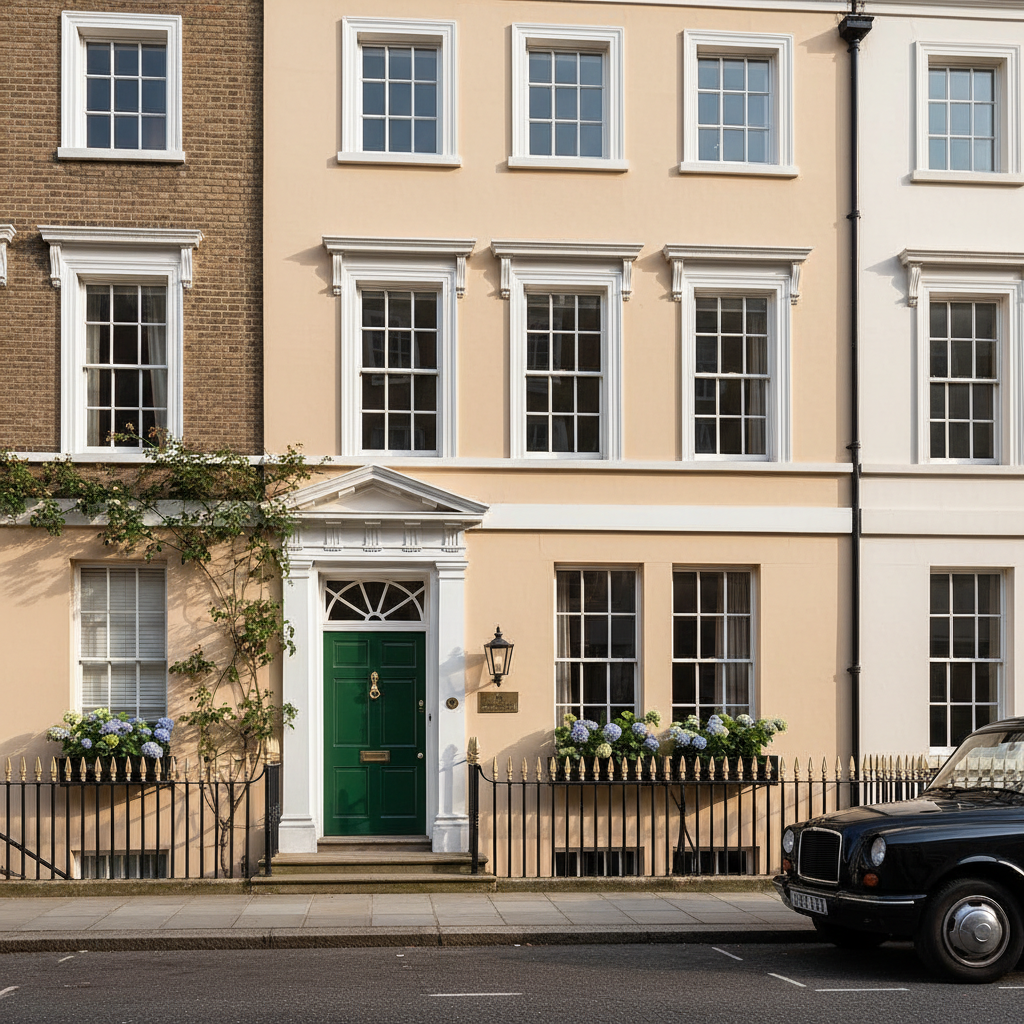
In the architectural landscape of Central London, few things carry as much prestige—and as much responsibility—as a Grade II listed property. From the stucco-fronted terraces of Belgravia to the Queen Anne style houses of Chelsea, these buildings are the fabric of British history. However, for the discerning homeowner, maintaining such a property requires more than just an aesthetic eye; it requires a deep understanding of heritage legislation.
The Painters London has been at the forefront of heritage restoration since 1992. We understand that a Grade II listing isn't just a badge of honour—it is a legal framework designed to protect the "special architectural or historic interest" of your home. When it comes to painting and decorating, the rules are often nuanced, and the stakes for non-compliance are high. In this comprehensive guide, we explore the complexities of paint regulations for listed buildings and how to navigate them successfully.
What Does Grade II Status Mean for Your Interior and Exterior?
Many homeowners are under the impression that listing only applies to the exterior of a property. This is a common and potentially costly misconception. A Grade II listing usually covers the entire building, both inside and out, including boundary walls, outbuildings, and even interior features like original plasterwork and timber panelling.
When it comes to paint, the primary concern of Local Planning Authorities (LPAs) in boroughs such as the Royal Borough of Kensington and Chelsea or the City of Westminster is the preservation of original character. Any change that "alters the character" of the building may require Listed Building Consent (LBC).
When Is Permission Required?
In general, "like-for-like" repairs and maintenance do not require formal consent. If you are repainting your window frames in the exact same colour and finish as the existing coat, you are typically on safe ground. However, you should consider the following triggers for consent:
- Changing the Colour: Moving from a traditional stone white to a modern charcoal grey on an exterior facade will almost certainly require consent.
- Changing the Finish: Moving from a traditional breathable limewash to a modern acrylic or gloss paint can be seen as an insensitive alteration.
- Stripping Original Paint: Removing layers of historic paint to expose bare wood or stone is considered an alteration and requires professional assessment.
- Painting Previously Unpainted Surfaces: If you intend to paint a natural brick or stone facade that has never been painted, this is a significant change to the building's character.
The Importance of Breathability and Traditional Paints
Modern paints are designed to form a waterproof "plastic" seal over a surface. While this works for modern concrete and breeze-block constructions, it is often catastrophic for heritage buildings in Mayfair or Kensington. Historic buildings were designed to be porous, allowing moisture to travel through the walls and evaporate.
Using non-breathable modern paints traps moisture within the fabric of the building, leading to "blown" plaster, damp issues, and the degradation of historic masonry. This is why heritage specialists almost exclusively use:
- Limewash: The traditional choice for masonry and render, allowing the building to "breathe" naturally.
- Soft Distemper: Often found on historic ceilings and decorative plasterwork.
- Linseed Oil Paints: Ideal for exterior timber, as they soak into the wood rather than sitting on top of it.
- Mineral Paints: A modern alternative that offers high durability while maintaining excellent vapour permeability.
Heritage Services: Beyond Standard Painting
Decorating a listed building involves far more than applying a coat of paint. It requires a mastery of artisanal techniques that have remained largely unchanged for centuries. At The Painters London, we integrate these traditional skills with modern project management.
Venetian Plaster and Historic Finishes
For properties where original lime plaster has been damaged, Venetian plaster offers a stunning, breathable alternative that respects the mineral nature of the building. Using marble dust and lime putty, this finish provides a depth of colour and sheen that modern emulsions simply cannot replicate.
Gilding and Decorative Arts
Many Grade II listed properties in Central London feature ornate cornices and ceiling roses. Restoring these often involves meticulous gilding using 23-carat gold leaf. This is a highly specialized skill that ensures the architectural details of your home are highlighted in a manner consistent with its period of construction.
Practical Advice for Homeowners
If you are planning a restoration or redecoration project for your listed home, we recommend following these steps to ensure a smooth process:
1. Consult with your Conservation Officer
Before beginning any work, a brief conversation with the local conservation officer can save weeks of delays. They are usually happy to provide informal advice on whether your proposed colour scheme or paint type will require formal Listed Building Consent.
2. Conduct a Paint Analysis
In highly significant rooms, it may be worth conducting a professional paint analysis. This involves taking small scrapings of paint layers to identify the original colour schemes used when the house was built. This level of due diligence is highly regarded by planning authorities and ensures your home remains historically accurate.
3. Hire Specialist Contractors
Standard decorating firms often lack the equipment and knowledge to handle historic substrates. Ensure your chosen team has experience in heritage restoration and understands the chemistry of traditional paints. Improper preparation, such as using high-pressure power washers on old brickwork, can cause irreparable damage.
4. Documentation is Key
Keep a record of all products used, including technical data sheets that prove the breathability of the paint. This "as-built" record is invaluable if you ever decide to sell your property, as it proves to future buyers and solicitors that all work was carried out to the required heritage standards.
Why Choose The Painters London?
Since 1992, we have been the preferred choice for homeowners in London’s most exclusive postcodes. We understand that a luxury decorating service is about more than just the finish; it is about discretion, heritage expertise, and a commitment to preserving the architectural integrity of your home. Whether you are seeking bespoke wallcoverings for a drawing room or a full exterior restoration of a stucco villa, our team provides the highest level of craftsmanship.
Navigating the regulations of a Grade II listed building can be daunting, but with the right partnership, it becomes a rewarding journey of stewardship. We work closely with architects, interior designers, and planning consultants to ensure that every stroke of the brush is compliant, beautiful, and enduring.
Ready to Restore Your Heritage Property?
If you are planning a decorating project for a listed building in Mayfair, Belgravia, Chelsea, or Kensington, contact our experts today. We offer a bespoke consultation service to discuss your requirements and ensure your property remains a masterpiece of London’s architectural history.