Lime Plaster vs Modern Plaster: Heritage Property Guide
For the discerning owners of Grade I and Grade II listed properties in Central London, the stewardship of a home involves more than just aesthetic upkeep; it is a commitment to architectural preservation. Whether you reside in a grand townhouse in Mayfair or a stucco-fronted terrace in Belgravia, the materials used on your walls play a critical role in the structural health and historical integrity of the building.
One of the most significant debates in the realm of high-end renovation is the choice between traditional lime plaster and modern gypsum-based alternatives. While modern materials promise speed and cost-effectiveness, they often clash—sometimes catastrophically—with the building techniques used in London’s heritage properties. In this guide, we explore the fundamental differences between lime and modern plaster, and why your choice is vital for the longevity of your home.
The Philosophy of Breathability in Heritage Homes
The primary difference between a Victorian mansion in Kensington and a contemporary penthouse is how they handle moisture. Modern buildings are designed as sealed boxes, relying on mechanical ventilation and damp-proof membranes. Historical buildings, conversely, were designed to 'breathe.'
Lime plaster is inherently porous. It allows moisture to travel through the wall and evaporate harmlessly into the atmosphere. This "breathability" prevents moisture from becoming trapped within the masonry. When a modern, non-porous gypsum plaster or cement-based render is applied to a soft brick or stone wall, it creates a waterproof seal. Moisture is trapped behind this barrier, leading to damp, salt migration, and eventually, the decay of the original building fabric.
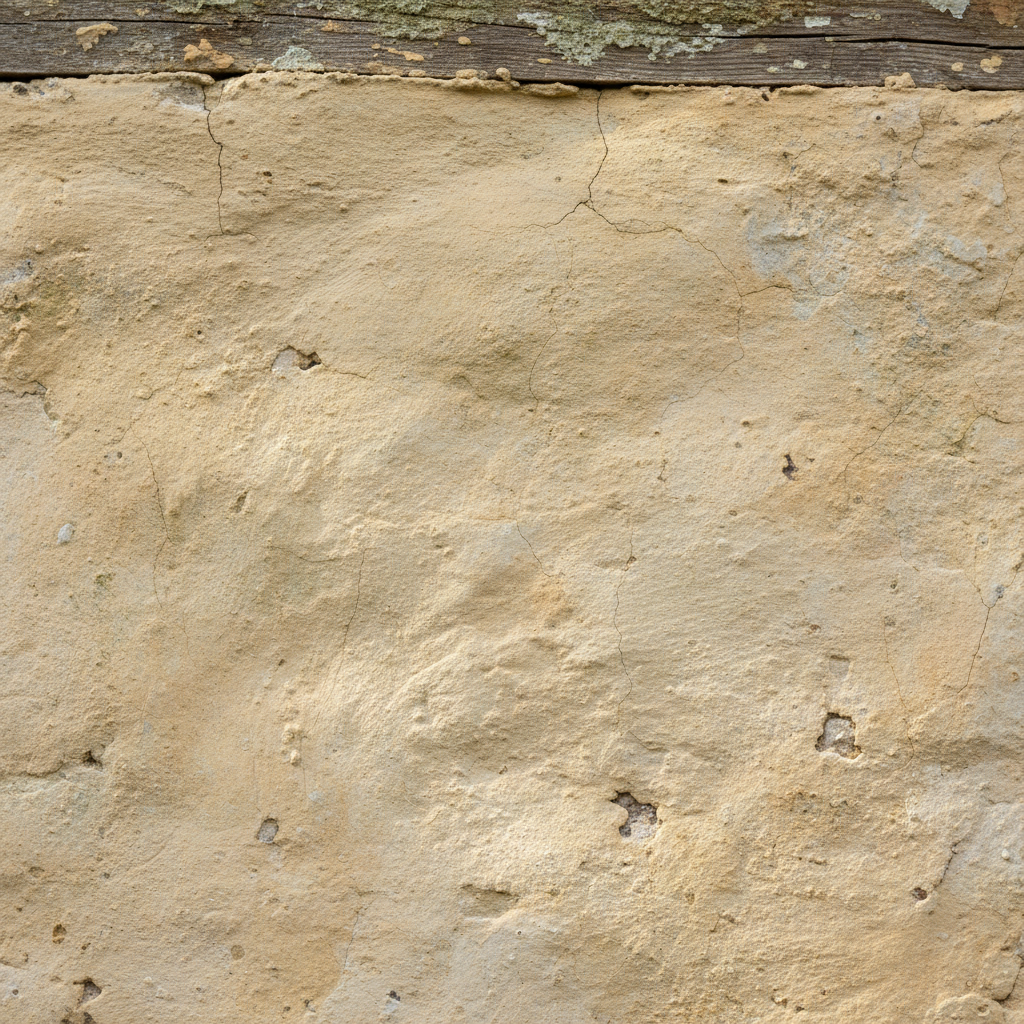
Lime Plaster: The Timeless Gold Standard
Lime has been used for millennia, and for good reason. For properties in London’s most prestigious conservation areas, lime is often not just a preference but a requirement of heritage restoration guidelines. Here is why lime remains the gold standard for luxury interiors.
Flexibility and Autogenous Healing
London’s clay-heavy soil often leads to subtle building movement. Modern gypsum plaster is rigid and brittle; even a slight shift in the foundation can result in unsightly cracks. Lime plaster is more flexible, accommodating small movements. Most remarkably, it possesses "autogenous healing" properties. If a micro-crack forms, the presence of moisture allows the free lime within the plaster to migrate to the crack, react with atmospheric carbon dioxide, and "heal" the fissure over time.
Incomparable Aesthetic Depth
Beyond its functional merits, lime plaster offers a visual texture that modern materials cannot replicate. It has a soft, luminous quality that catches the light in a way that creates a sense of warmth and history. This makes it an ideal substrate for further decorative finishes, such as Venetian plaster or bespoke wallcoverings, where the underlying surface breathability ensures the longevity of the finish.
Modern Plaster: The Risks for Historic Masonry
Gypsum plaster (the pink finish commonly seen in modern construction) is ubiquitous because it dries quickly and provides a perfectly flat surface with ease. However, in a heritage context, these benefits are outweighed by significant risks.
Chemical Incompatibility
The salts often found in old London brickwork can react aggressively with modern gypsum. This often manifests as "efflorescence"—a white, powdery substance that pushes through your paintwork. Furthermore, gypsum is highly susceptible to water damage. Once damp, it loses its structural integrity and can become a breeding ground for mould, affecting the air quality of your home.
Impact on Property Value
For high-net-worth individuals in Chelsea, property value is tied to authenticity. Surveyors specialising in heritage properties are trained to spot "inappropriate" repairs. Living in a listed building means you are a custodian of history; using modern materials where traditional ones are required can lead to enforcement notices from local councils and can complicate the sale of the asset in the future.
How to Identify Your Current Plasterwork
If you are planning a renovation, it is essential to know what is currently on your walls. Here are three practical ways to distinguish between lime and modern plaster:
- The Colour Test: If you can see the base coat (the scratch coat), lime plaster is typically off-white, grey, or beige, often containing visible horse or goat hair used for reinforcement. Modern gypsum is usually pink or a dull grey.
- The Acid Test: A small fragment of lime plaster will fizz when placed in white vinegar, indicating the presence of carbonates. Gypsum will not react.
- The Hardness Test: Modern cement and gypsum are incredibly hard to the touch. Lime is softer; you can often leave a slight mark if you press a fingernail firmly into an unpainted area.
The Importance of Specialist Finishes
Once you have opted for lime plaster, the work is not finished. The choice of paint is equally vital. Traditional lime-washed walls allow the plaster to continue its carbonisation process. If you apply a modern, vinyl-based emulsion over lime plaster, you effectively "plastic-wrap" your walls, negating all the benefits of the lime substrate. At The Painters London, we specialise in the application of breathable paints and specialist finishes, including gold leaf gilding for architectural details, ensuring the entire system works in harmony.
The Painters London Approach to Heritage Conservation
Since 1992, we have curated interiors for some of London’s most storied addresses. Our approach to high-end painting and decorating is rooted in a deep respect for historical methodology. When working on a heritage property, we follow a rigorous process:
- Structural Assessment: We evaluate the condition of existing lath and plaster, identifying areas of de-bonding or failure.
- Material Matching: We source lime mortars and plasters that match the original composition, ensuring chemical and physical compatibility.
- Artisanal Application: Our craftsmen are trained in traditional three-coat work, allowing for the slow, natural curing process required for a flawless, long-lasting finish.
- Sympathetic Decoration: We advise on the use of mineral paints, clay paints, or lime-based decorative plasters that enhance the building's character while maintaining its health.
A Wise Investment for the London Homeowner
It is no secret that lime plastering is a more time-intensive process than modern skimming. It requires specific environmental conditions and experienced hands. However, for a luxury property, the investment pays dividends. You avoid the recurring costs of damp treatment, you preserve the structural health of your masonry, and you maintain the "soul" of the building that makes London’s heritage architecture so coveted.
Whether you are restoring a single room or embarking on a full-scale renovation of a Chelsea townhouse, choosing the right materials is the most important decision you will make. Do not allow the shortcuts of modern construction to compromise the legacy of your home.
Expert Guidance for Your Heritage Project
Navigating the complexities of heritage property maintenance requires a partner who understands the nuances of traditional materials and the expectations of luxury living. At The Painters London, we combine decades of experience with a dedication to the highest standards of craftsmanship.
If you are considering a decorative or restorative project for your property in Mayfair, Belgravia, Kensington, or Chelsea, we invite you to consult with our experts. We can provide a detailed assessment of your walls and recommend a finish that honors the past while providing a beautiful backdrop for modern life.
Contact us today to schedule a professional consultation and site survey.