Marmorino vs Stucco Veneziano: Venetian Plaster Guide
The Renaissance of Venetian Plaster in London’s Finest Residences
In the world of high-end interior design, few finishes command the same level of respect and admiration as Venetian plaster. For homeowners in London’s most prestigious postcodes—from the grand townhouses of Belgravia to the avant-garde apartments of Chelsea—this ancient Italian technique has become a hallmark of sophisticated living. However, "Venetian plaster" is an umbrella term that encompasses several distinct finishes, the most notable of which are Marmorino and Stucco Veneziano.
Choosing between these two can significantly alter the mood, texture, and light reflection of a room. At The Painters London, having refined our craft since 1992, we understand that the selection process is more than just an aesthetic choice; it is about architectural integrity and historical context. Whether you are looking to enhance a contemporary penthouse or restore a Georgian manor, understanding the nuances of these materials is essential.
What is Marmorino Plaster?
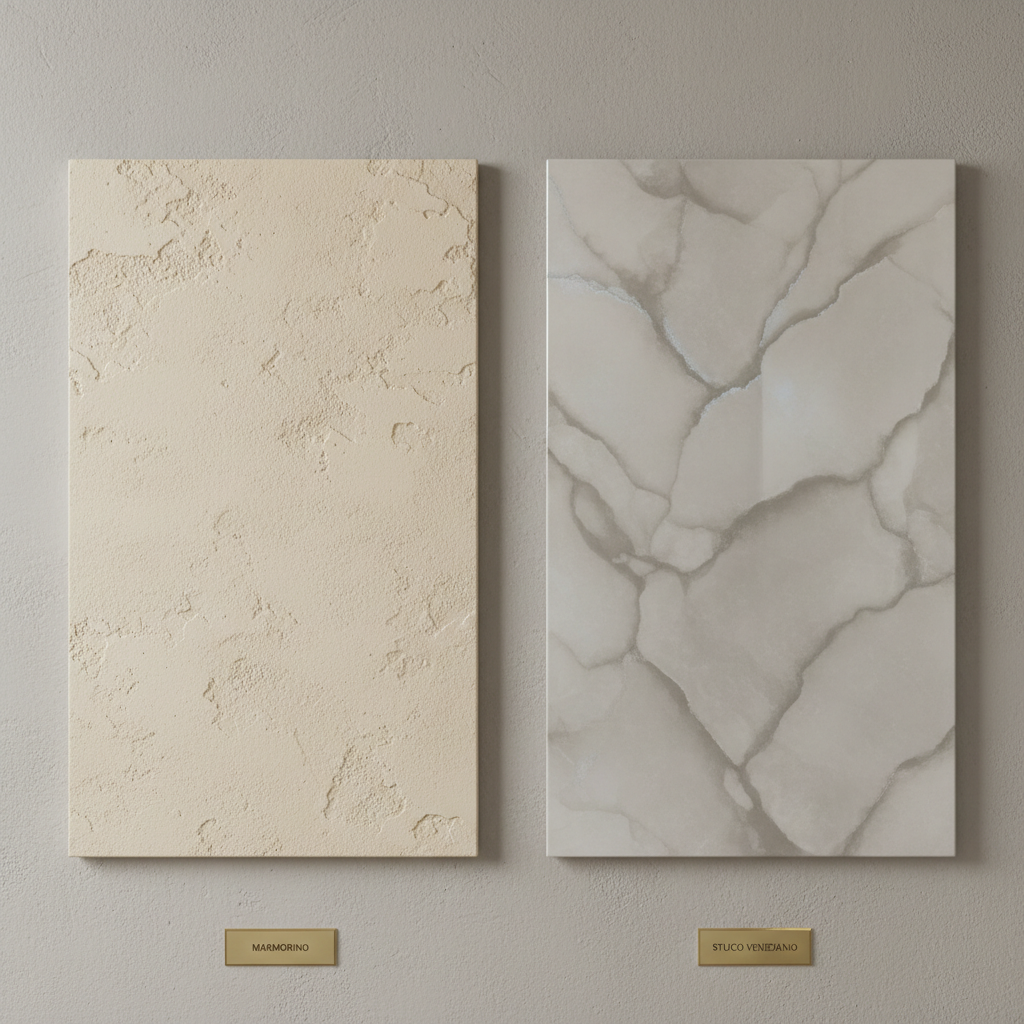
Marmorino is perhaps the most classic form of Venetian plaster, with its roots stretching back to Roman times. Its name originates from the Italian word for "marble," which is the key ingredient that gives this finish its distinctive character. Marmorino is composed of lime putty and crushed marble grains of varying sizes.
The Texture and Aesthetic of Marmorino
Unlike the glass-like shine of other finishes, Marmorino is celebrated for its natural, stony appearance. Depending on the size of the aggregate used, the finish can range from a smooth, satin glow to a more rustic, "pitted" texture that mimics natural travertine stone. It provides a tactile depth that feels substantial and permanent. In Kensington, we often recommend Marmorino for hallways and dining rooms where homeowners desire a sense of grounded, classical elegance.
The Benefits of a Lime-Based Finish
One of the primary reasons Marmorino has endured for centuries is its breathability. Because it is lime-based, it allows moisture to pass through the substrate, making it naturally resistant to mould and mildew. This makes it an excellent choice for London properties where environmental control is paramount. Furthermore, it ages beautifully; as the lime carbonates over time, the plaster essentially turns back into stone, becoming harder and more durable with every passing year.
What is Stucco Veneziano?
If Marmorino is the sturdy, textured stone of the Italian villa, Stucco Veneziano is its polished, high-glamour counterpart. Often referred to as "polished plaster," this finish is made from fine marble dust and lime putty, but without the larger aggregates found in Marmorino. This allows the artisan to achieve a surface that is exceptionally smooth and reflective.
Achieving the High-Gloss Mirror Finish
The hallmark of Stucco Veneziano is its depth and luminosity. It is applied in multiple thin layers—sometimes up to seven—which are then burnished with a stainless steel trowel to create a mirror-like shine. The result is a surface that plays with light, reflecting the silhouettes of a room’s furniture and the changing hues of the London skyline. For luxury projects in Mayfair, Stucco Veneziano is frequently used to provide a sense of expansive height and opulence to prestigious entrance halls.
Why Sophisticated Homeowners Opt for Polished Plaster
Beyond its beauty, Stucco Veneziano offers a seamless finish that wallpaper or paint simply cannot replicate. It creates a "skin" for the wall that feels cool to the touch and possesses a visual movement (chiaroscuro) that adds life to flat surfaces. It is the ultimate choice for those who want their walls to be a focal point of their interior design strategy.
Marmorino vs Stucco Veneziano: Key Differences Compared
To help you decide which finish best suits your upcoming renovation, consider the following technical and aesthetic comparisons:
| Feature | Marmorino | Stucco Veneziano |
|---|---|---|
| Visual Appearance | Matte to Satin, stone-like depth | High-gloss, mirror-like, smooth |
| Texture | Smooth but tactile, can be pitted | Perfectly smooth to the touch |
| Composition | Fine to coarse marble grains + lime | Ultrafine marble dust + lime |
| Best For | Classical, rustic, or understated luxury | Modern, high-glamour, luxury retail |
Which Finish is Right for Your London Home?
Choosing between these two finishes often comes down to the architecture of the building and the light levels within the space. Our specialists at The Painters London often advise clients based on the specific "vibe" of the neighbourhood and the property's history.
When to Choose Marmorino
If your property features high ceilings and large windows that let in soft, natural light, Marmorino can provide a sophisticated, muted backdrop. It is particularly effective in heritage restoration projects in Belgravia, where maintaining the historical integrity of the building is as important as the aesthetic outcome. It feels "organic" and is less likely to show fingerprints or minor imperfections over time.
When to Choose Stucco Veneziano
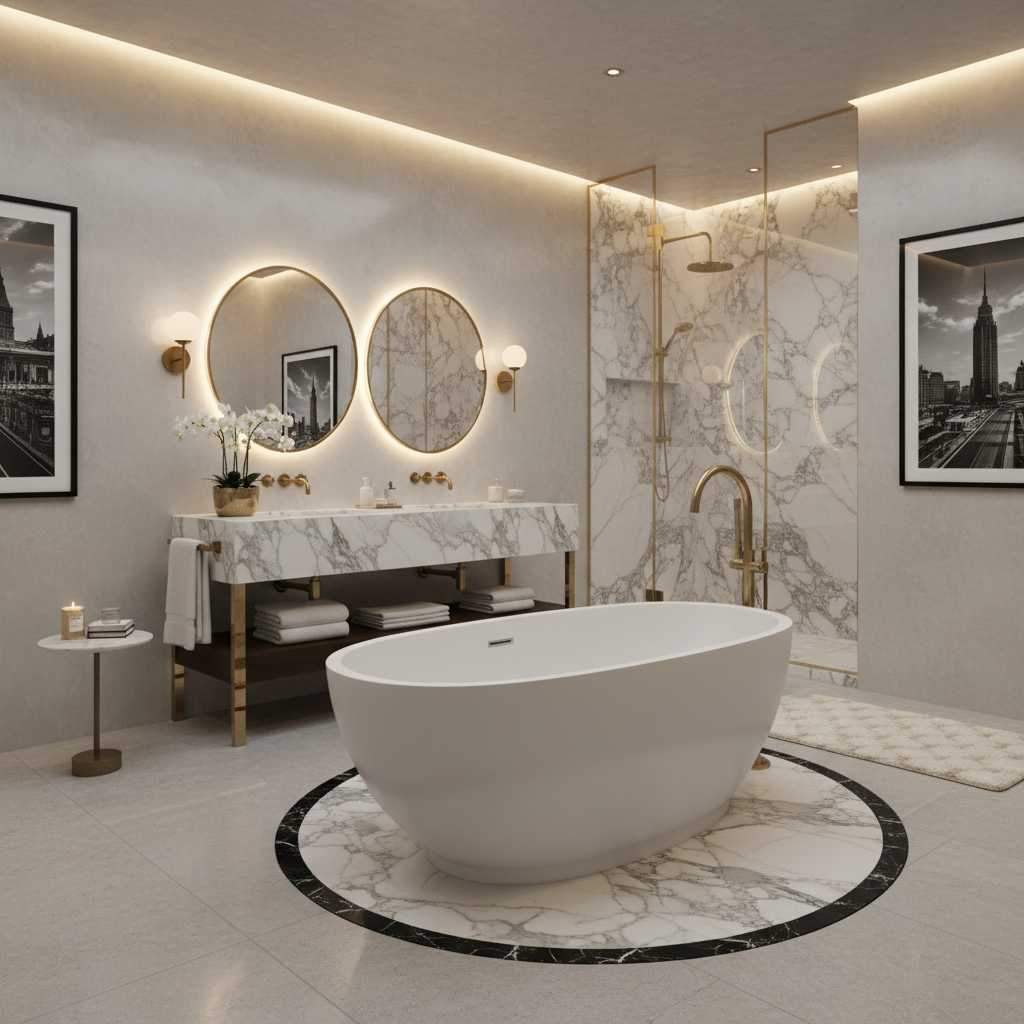
If you are looking to create a statement in a modern apartment or a windowless powder room, Stucco Veneziano is the superior choice. Its reflective properties can make a small space feel significantly larger and brighter. It also pairs exquisitely with gold leaf gilding, a combination we frequently employ for our most discerning clients who wish to blend contemporary shine with traditional luxury.
The Importance of Professional Application
Unlike standard emulsion paint, Venetian plaster is an artisanal craft. It cannot be "painted" on; it must be trowelled on by hand with precision and an eye for composition. At The Painters London, our decorators have spent decades mastering the specific pressure and angle required to burnish Stucco Veneziano to a perfect shine or to "texture" Marmorino for a consistent stone finish.
Poorly applied plaster can lead to cracking, delamination, or a "patchy" appearance that lacks the depth of true Italian craftsmanship. When you invest in our Venetian plaster services, you are investing in a finish that is built to last for generations.
Maintenance and Longevity of Venetian Plaster
One of the many reasons London’s elite choose these finishes is their longevity. While a painted wall may need refreshing every 3-5 years, a well-maintained Venetian plaster wall can last decades. Both Marmorino and Stucco Veneziano can be waxed for additional protection, making them wipeable and resistant to moisture. This is particularly beneficial in high-traffic areas or for bespoke wallcoverings in kitchens and bathrooms.
Summary of Choice
Ultimately, the choice between Marmorino and Stucco Veneziano is one of personal preference. Do you prefer the quiet, steady strength of stone, or the vibrant, light-catching allure of a polished gem? Regardless of your choice, Venetian plaster offers a level of depth and exclusivity that elevates any interior.
The Painters London prides itself on providing a full suite of high-end decorating services that cater specifically to the luxury market. From the initial colour consultation to the final burnishing of your walls, our team ensures a seamless, professional experience that respects your home and your vision.
Contact the Experts in Venetian Plaster
Ready to transform your residence with the timeless beauty of Marmorino or Stucco Veneziano? Our master decorators are available for expert consultations throughout Central London. We will guide you through our extensive portfolio of finishes, helping you select the perfect texture and tone for your space.
Experience the pinnacle of London craftsmanship. Book your professional consultation with The Painters London today.
",meta_description: