Period Property Painting: Avoiding Common Mistakes | London
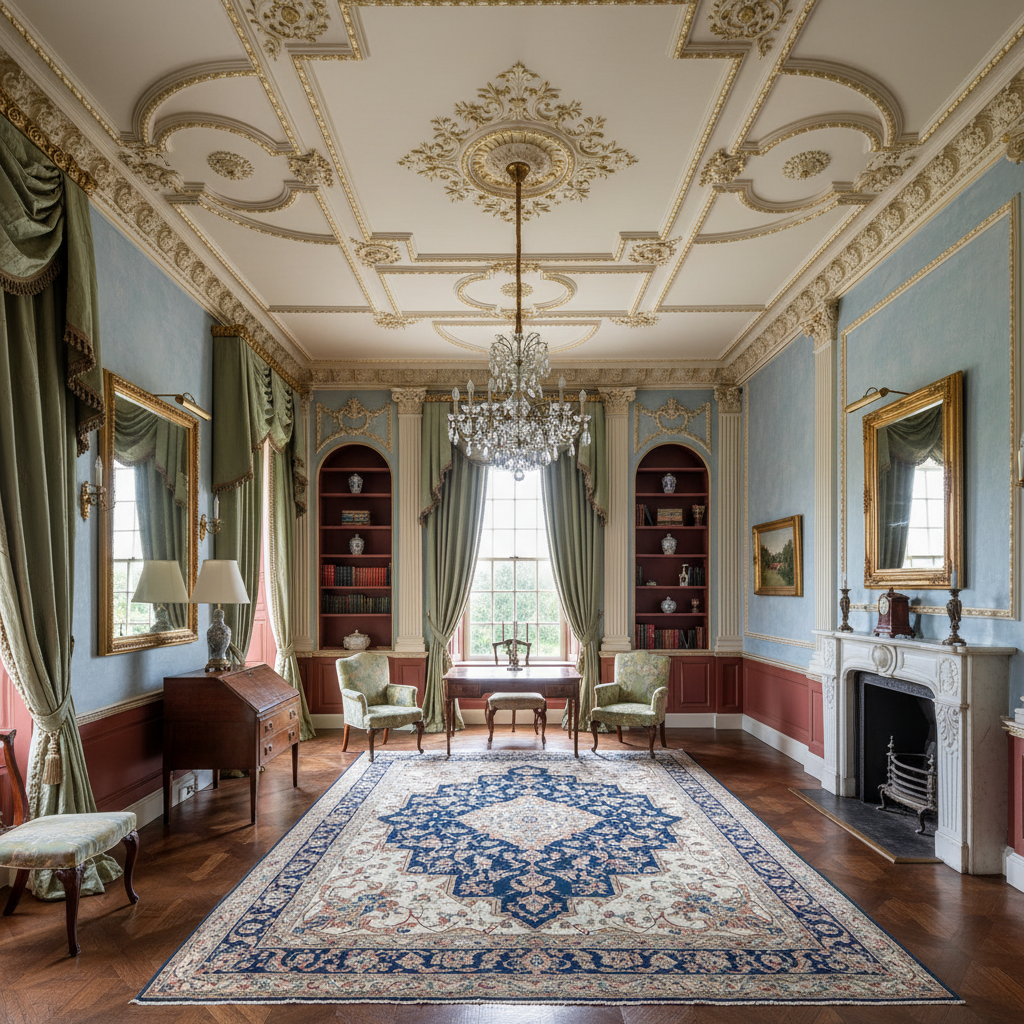
For decades, the architectural grandeur of London’s historic districts—from the stucco fronts of Belgravia to the red-brick Victorian terraces of Kensington—has defined the city’s luxury identity. Owning a period property is a privilege, yet maintaining its aesthetic integrity requires a level of expertise that goes far beyond a standard coat of paint. At The Painters London, we have spent over 30 years refining the art of heritage restoration, ensuring that the legacy of these homes is preserved for generations to come.
When it comes to period property painting, the line between a masterful restoration and a costly mistake is remarkably thin. The unique materials used in 18th and 19th-century construction do not behave like modern drywall. Failure to understand these nuances can lead to moisture entrapment, peeling, and irreversible damage to original features. To help you navigate your next renovation project, we have compiled this comprehensive guide on the pitfalls to avoid and the standards to uphold.
1. Ignoring the Breathability of Historic Materials
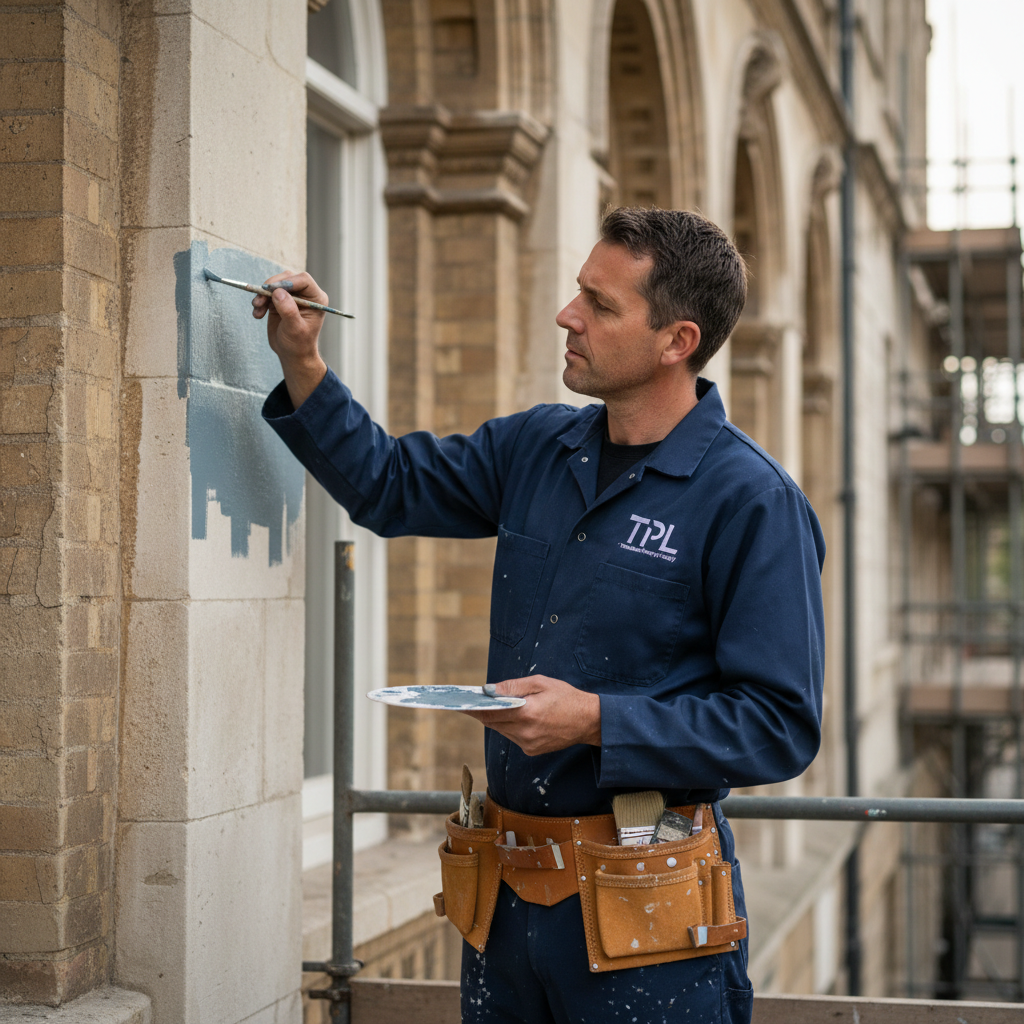
Perhaps the most critical mistake seen in Belgravia and Mayfair renovations is the application of modern, non-breathable paints to traditional lime plaster or masonry. Historic buildings were designed to "breathe," allowing moisture to evaporate naturally through the walls.
Modern "plastic" or acrylic emulsions create an impermeable seal. When moisture inevitably enters the wall—whether through ground damp or internal humidity—it becomes trapped behind the paint film. This leads to "blown" plaster, efflorescence (white salty deposits), and ultimately, wood rot in structural timbers. For a true heritage restoration, it is essential to use breathable paints such as distempers, clay-based paints, or mineral-based finishes that work in harmony with the building's fabric.
2. Inadequate Surface Preparation
In a luxury London home, the finish is only as good as the preparation beneath it. It is tempting to skip the laborious task of stripping back decades of layers, but in a period property, this is where the quality is won or lost. Many contractors fall into the trap of "skimming over" old, failing lead-based paints or unstable lime washes.
Our approach involves a meticulous assessment of every surface. We ensure that:
- Loose and flaking paint is carefully removed using methods that protect the original substrate.
- Lead-based paints (common in pre-1960s homes) are handled with professional abatement techniques to ensure safety.
- Cracks in delicate cornicing are repaired with traditional lime putty rather than modern poly-fillers which lack the necessary flexibility.
3. Obscuring Fine Architectural Details
One of the tragedies of amateur decorating is the "clogging" of intricate plasterwork. The ceiling roses and cornices found in Chelsea and Kensington are often fine works of art. Over the years, repeated thick layers of paint can fill in the delicate shadows and sharp lines of these moldings, leaving them looking rounded and indistinct.
A professional heritage painter knows when to strip back and when to use specialized, thin-film coatings to highlight these features. If your cornicing looks "muddy," it likely needs a professional restoration to reclaim its original definition. This is also an ideal time to consider artisanal techniques such as expert gilding to emphasize the grandeur of the room.
4. Misjudging the External Stucco Maintenance
The iconic white and cream stucco fronts of West London require more than just a power wash and a fresh coat of masonry paint. Stucco is a delicate material that is prone to hairline fractures. If these are not correctly filled with a compatible hydraulic lime-based filler, water ingress will quickly lead to the stucco "spalling" or falling off in large chunks.
Furthermore, the choice of colour is often dictated by the local council or estate management (such as the Grosvenor Estate in Belgravia). Using the wrong shade or a low-quality finish that discolours under London’s environmental pollutants can not only diminish the property's value but can also result in legal requirements to repaint.
5. Choosing Fast Over Quality on Windows and Joinery
Sash windows are the "eyes" of a period home. A common mistake is painting them shut or using heavy-bodied paints that interfere with the weighted mechanisms. Furthermore, many decorators fail to address the "hidden" parts of the window—the pulley style and the rebates—which leads to premature rot.
A luxury finish requires each sash to be individually serviced, sanded, and painted with premium oils or modern water-borne alkyds that offer the durability of oil with the flexibility needed for natural wood expansion and contraction.
6. Neglecting the Impact of Lighting on Historic Pigments
The high ceilings and tall windows of Victorian and Georgian homes create unique light conditions. A common error is choosing a colour from a small swatch in a showroom. Historical pigments react differently to light than modern mass-market paints.
In our bespoke painting services, we always recommend large-scale samples. We observe how the pigments shift from the morning light in Mayfair to the setting sun over the Thames. Often, what looks like a sophisticated grey in the tin can appear as a cold lilac on a tall, north-facing wall. We help clients choose palettes that respect the era while feeling contemporary and vibrant.
7. Forgetting the Ceiling
In a period property, the ceiling is the "fifth wall." It should never be an afterthought. Avoiding the mistake of a flat, stark-white ceiling can transform a room. In historic properties, "off-whites" or even subtle tints that complement the wall coverings provide a much softer, more authentic transition. For those looking for an extra touch of luxury, Venetian plaster on a ceiling can provide a reflective depth that mimics the polished finishes of Italian palazzos.
Professional Guidance for London’s Finest Homes
Preserving a period property is a balancing act between tradition and modern luxury. It requires an eye for detail, a respect for history, and a mastery of technical application. At The Painters London, we provide more than just a painting service; we provide a consultancy that ensures your home remains a masterpiece.
Our teams are well-versed in the specific requirements of London’s conservation areas. Whether you are looking to refresh a single room with premium designer wallcoverings or undertake a full external restoration of a Kensington townhouse, we bring three decades of excellence to every brushstroke.
Summary Checklist for Homeowners:
- Verify Materials: Are your contractors using breathable paints for lime surfaces?
- Detail Preservation: Is delicate cornicing being protected or expertly stripped?
- Climate Awareness: Are external finishes suited for London’s specific environmental conditions?
- Authenticity: Do the colour choices reflect the architectural period while meeting your personal aesthetic?
Avoid the common mistakes that diminish the value and beauty of your historic home. Trust the specialists who have been the preferred choice for London’s most discerning residents since 1992.
Ready to restore your property to its former glory? Book a professional consultation with The Painters London today and let us bring our heritage expertise to your doorstep.