Restoring Victorian Cornices: A Practical Heritage Guide
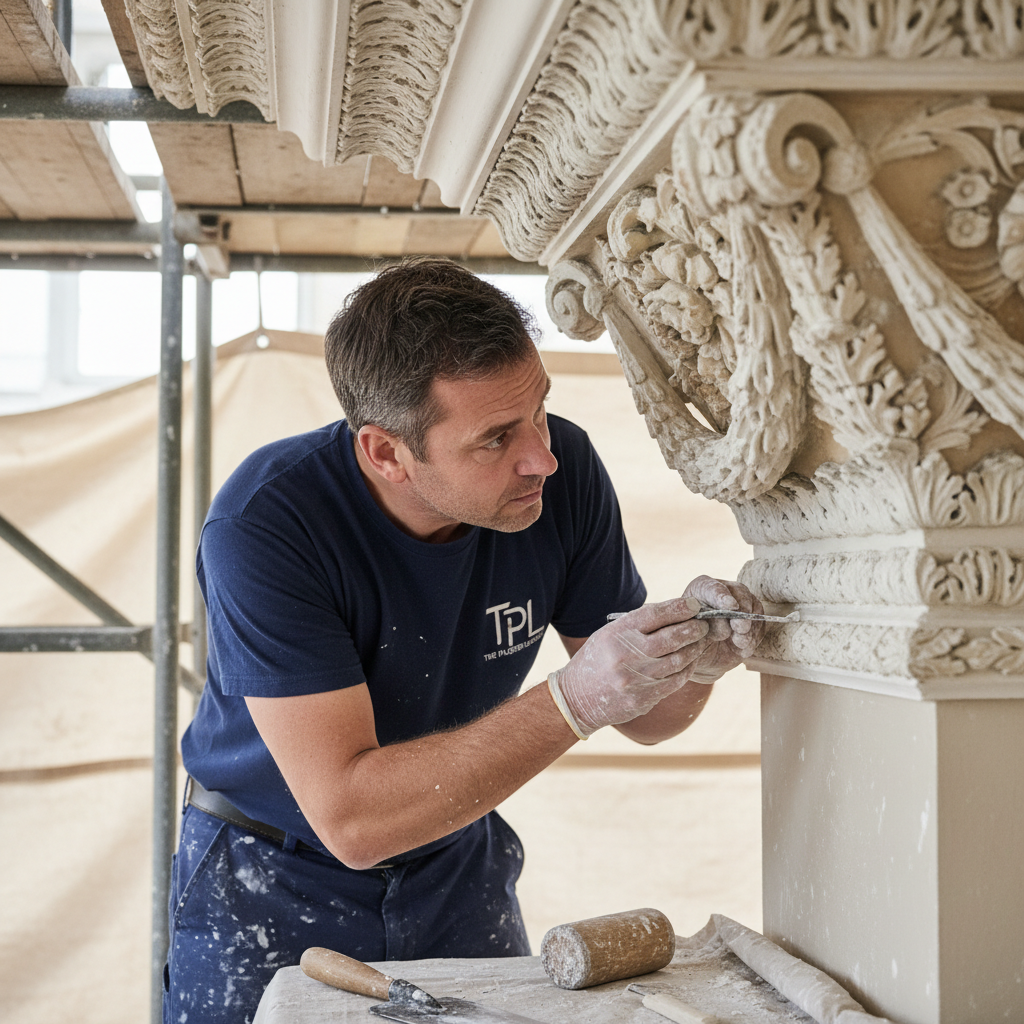
For the discerning homeowner in London’s most prestigious postcodes, the architectural integrity of a property is often its most valuable asset. In the grand residences of Kensington and Belgravia, the ceiling is not merely a structural necessity but a canvas for artistic expression. Perhaps no feature defines the elegance of a Victorian interior quite like the decorative cornice.
Historically, these intricate plaster mouldings were designed to bridge the transition between wall and ceiling, adding height, grandeur, and decorative rhythm to a room. However, over the decades, many of these original features have suffered from structural settling, moisture damage, or the heavy-handed application of countless layers of lead-based paint. At The Painters London, we have spent over 30 years perfecting the art of heritage restoration, ensuring that these historic features are preserved for the next generation of London residents.
Understanding Victorian Plasterwork Composition
In the Victorian era, cornices were typically crafted from "plaster of Paris" reinforced with hessian fibres and wooden laths. This traditional method, known as "fibrous plaster," allowed for the creation of incredibly detailed and lightweight sections that could be installed in pieces. When restoring these elements in areas like Chelsea or Mayfair, it is vital to understand that contemporary materials often clash with these historic substrates.
The primary enemy of the Victorian cornice is the loss of detail. Many homeowners inherit properties where the sharp, crisp lines of a floral or dentil moulding have been obscured by thirty or forty layers of paint. Restoring these requires a delicate balance of chemical stripping, manual carving, and structural stabilisation.
The Restoration Process: A Masterclass in Precision
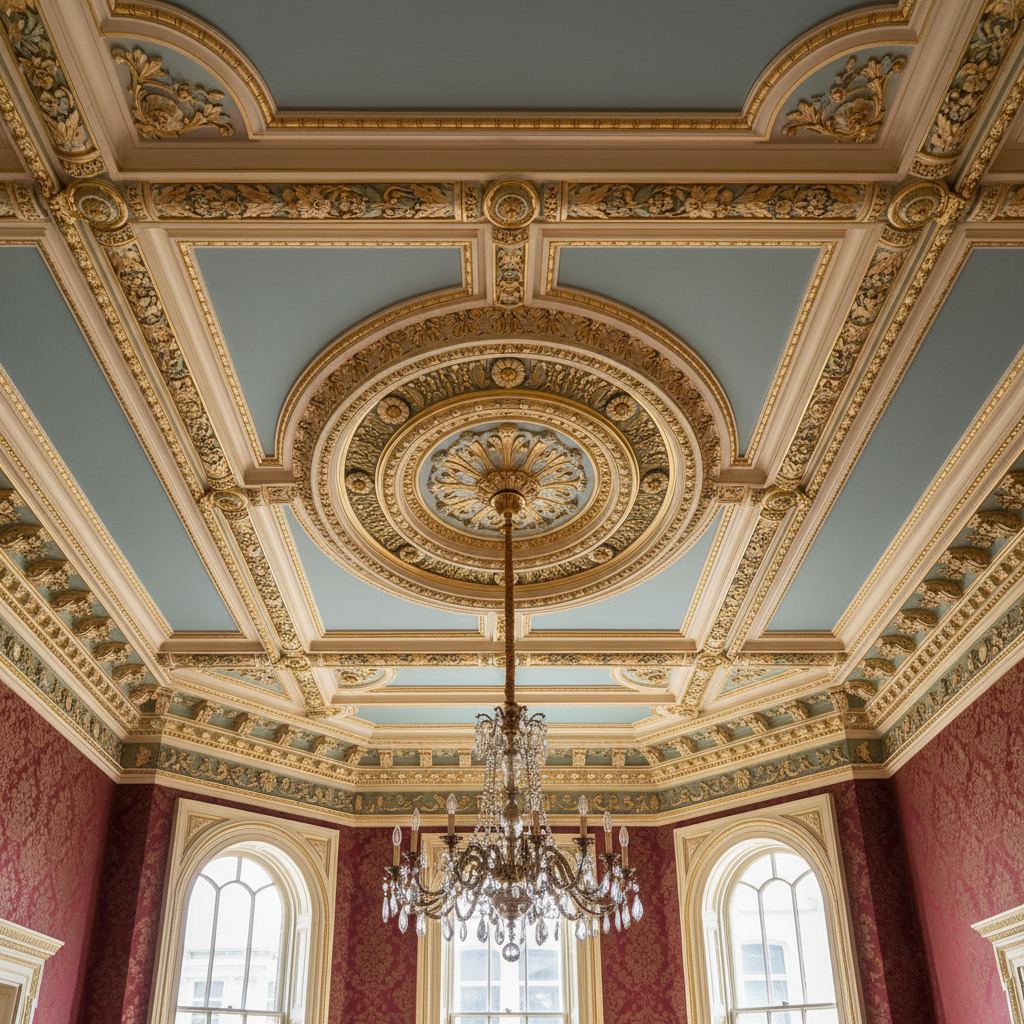
Restoring a cornice to its former glory is a multi-stage process that requires patience and a high level of craftsmanship. For our clients in Kensington and Belgravia, we follow a rigorous protocol that ensures the preservation of the original fabric while achieving a flawless finish.
Step 1: Assessment and Stabilisation
Before any decorative work begins, we must check the structural integrity of the plaster. Years of vibrations from London traffic or subtle shifts in a building’s foundation can cause "cracking" or "dropping." We meticulously inspect for hair-line fractures or areas where the cornice has pulled away from the ceiling joists. If necessary, we use discreet countersunk screws or traditional adhesive methods to re-secure the sections before work commences.
Step 2: Paint Removal and Stripping
This is arguably the most transformative part of the process. In high-end Mayfair properties, the cornices often contain "clogged" details. We use specialised peel-away poultices designed specifically for heritage plaster. These chemicals penetrate various paint layers without damaging the fragile lime plaster beneath. Once the poultice is removed, the original "sharpness" of the acanthus leaves or egg-and-dart patterns is revealed—often for the first time in a century.
Repairing and Recreating Missing Elements
It is common to find sections of a cornice that are beyond repair, particularly in corners where chimney breasts have been removed or water ingress has occurred. This is where our specialist interior services truly shine. To maintain authenticity, we do not use "off-the-shelf" replacements.
Instead, we take a "squeeze" or a direct mould of an existing undamaged section. This mould is used to cast a new section in fibrous plaster, which is then seamlessly blended into the original run. The result is a repair that is invisible even to the most trained eye.
Mastering the Fine Details
Once the structural repairs and stripping are complete, the cornice undergoes "fine filling." This involves the use of fine-surface fillers and artist-grade tools to sharpen every edge. For ultra-luxury projects, particularly in Chelsea, we may also suggest enhancing the restored plasterwork with decorative finishes like gilding. Applying 24k gold leaf to the high points of a cornice can transform a room, reflecting light beautifully and highlighting the architectural craftsmanship.
Painting the Restored Cornice: Selecting the Right Finish
The final stage of restoration is the decoration. Choosing the right paint is crucial. While modern vinyl matts are popular, they can sometimes look too "plastic" on historic plaster. We often recommend traditional clay-based paints or high-pigment mineral paints that allow the plaster to breathe.
- The "Shadow Line" Technique: Using a slightly deeper tone for the cornice than the ceiling can create a sense of depth.
- Contrast: In many grand London townhouses, painting the walls and cornice in the same shade (monochromatic) can create a contemporary feel while respecting the heritage bones.
- Matt vs. Sheen: A dead-matt finish is traditional, as it absorbs light and hides minor imperfections, whereas a soft sheen can highlight the intricate curves.
Practical Advice for Homeowners
If you are planning a renovation of a Victorian property in Central London, here are three actionable tips to ensure your cornices are handled correctly:
- Do Not Sand: Historic cornices likely contain lead paint. Sanding releases toxic dust. Always use chemical stripping methods performed by professionals.
- Check for Water Leaks: Plaster is an absorbent material. Before restoring a cornice, ensure that the roof or the plumbing in the apartment above is completely watertight. Damp will cause the plaster to "blow" and peel shortly after restoration.
- Budget for Time: Heritage restoration is not a fast process. A single room’s cornice stripping and repair can take several days of meticulous handiwork.
Beyond Plaster: Comprehensive Interior Solutions
A restored cornice looks its best when framed by expertly finished walls. Many of our clients choose to pair heritage plasterwork with high-end wallcoverings or modern Venetian plaster for a striking juxtaposition of old and new. The key to a luxury finish is the synergy between every surface in the room.
Why Choose The Painters London?
With a legacy dating back to 1992, we have become the trusted partner for heritage restoration across Kensington, Mayfair, Chelsea, and Belgravia. Our team understands the nuances of London’s architectural history and possesses the technical skills to handle delicate materials with the respect they deserve. We don't just paint; we preserve the soul of your home.
Secure Your Heritage Consultation
If your property’s original features are hidden under layers of paint or showing signs of age, it is time to restore them to their crowning glory. A well-restored cornice adds significant aesthetic and financial value to any London residence.
To discuss your restoration project or to see how our bespoke painting and decorating services can transform your home, we invite you to book a professional consultation. Let us help you rediscover the architectural beauty of your Victorian heritage.