Water Gilding vs Oil Gilding: A Guide for Luxury Homes | TPL
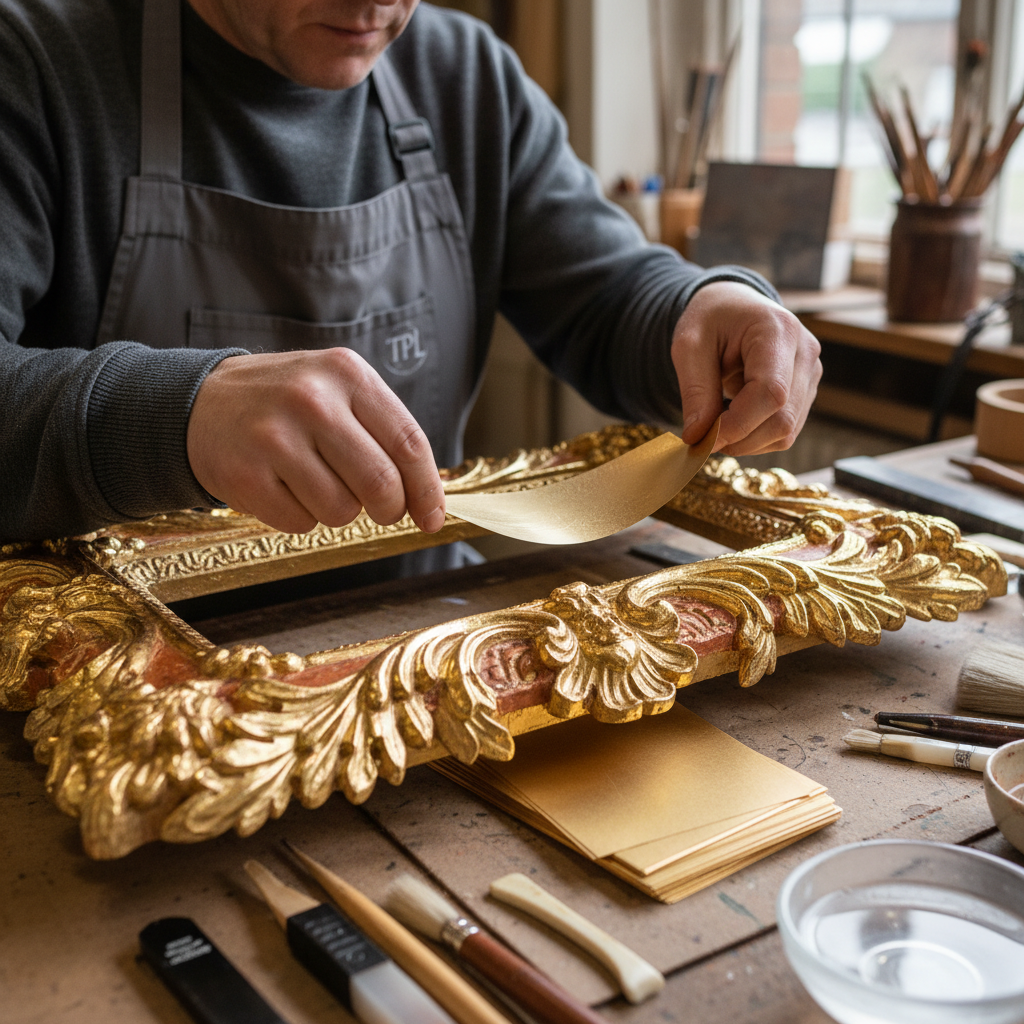
The Art of the Golden Glow: Understanding Gilding in London’s Finest Homes
For over three decades, The Painters London has been at the forefront of preserving and enhancing the architectural heritage of the capital's most prestigious postcodes. From the stucco-fronted villas of Belgravia to the grand townhouses of Mayfair, the use of gold leaf remains the ultimate statement of luxury and timeless elegance. However, for many luxury homeowners, the technical nuances of the craft remain a mystery.
Gilding is not a singular process; it is a delicate discipline divided into two primary methods: Water Gilding and Oil Gilding. Choosing the correct technique is not merely a matter of preference—it is a decision dictated by the substrate, the environment, and the desired final aesthetic. Whether you are restoring a Grade II listed ceiling rose or commissioning a contemporary accent wall, understanding these differences is essential for achieving a finish that resonates with quality.
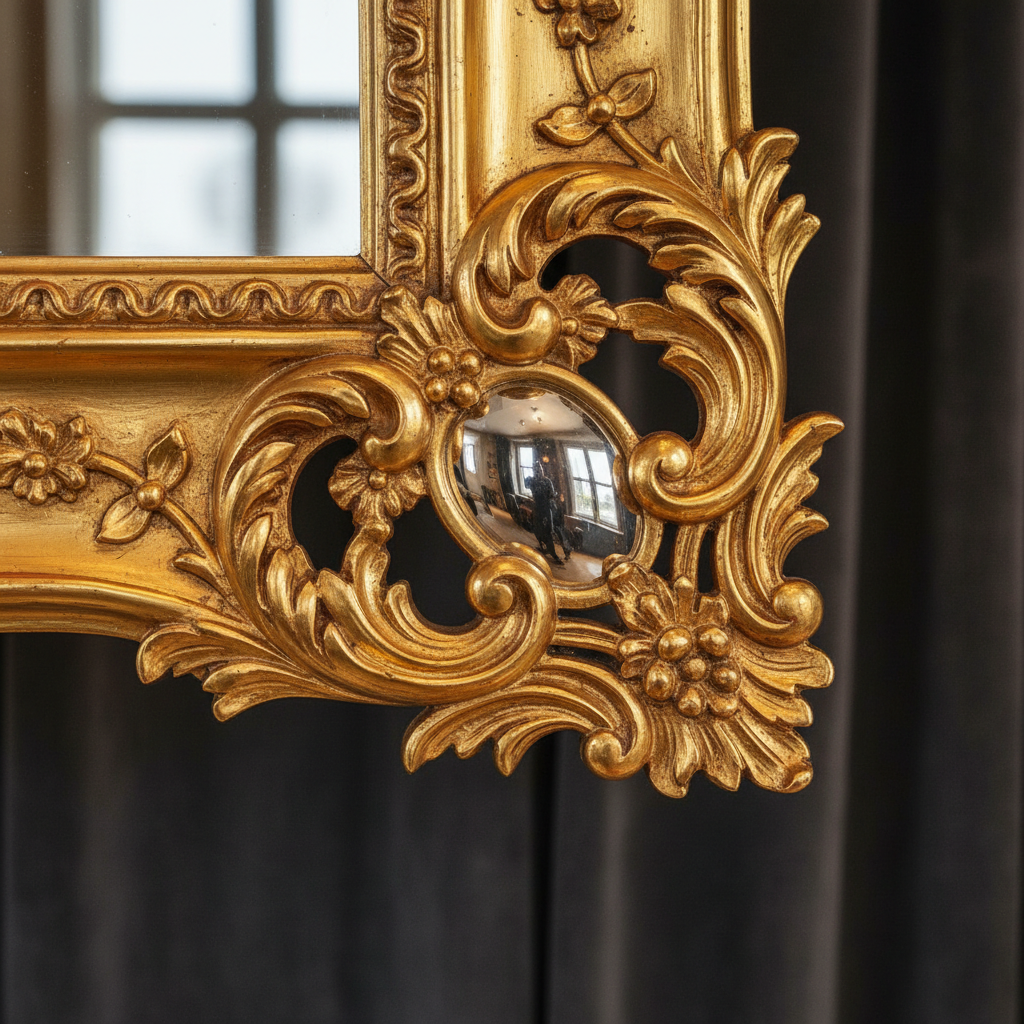
What is Water Gilding? The Pinnacle of Specialist Finishes
Water gilding is widely considered the "gold standard" of the craft. It is an ancient, labour-intensive process that has changed little since the Renaissance. This method is predominantly used for fine furniture, mirror frames, and interior architectural details that require a high-shine, mirror-like finish.
The Traditional Process
The brilliance of water gilding lies in its preparation. The surface—usually wood or plaster—is prepared with multiple layers of traditional "gesso" (a mixture of rabbit-skin glue and crushed calcium carbonate). Once sanded to a glass-like smoothness, a layer of "bole" (a refined clay) is applied. This clay, often in shades of Venetian red or ochre, provides the cushion for the gold leaf and influences its final tone.
The "water" in the name refers to the activator—a mixture of water and a tiny amount of size or alcohol—that is applied to the clay. When the gold leaf is laid onto this wet surface, it is literally sucked down into the clay. This allows the gilder to "burnish" the gold with an agate stone, compressing the metal and the clay to create a brilliant, reflective surface that cannot be achieved with any other method.
When to Choose Water Gilding
- High Burnish Requirements: If you desire a finish so reflective you can see your own image in it, water gilding is the only option.
- Heritage Restorations: For period properties in Kensington, water gilding is often the historically accurate choice for ornate mouldings and antique frames.
- Interior Use Only: Because the gesso and glue are water-based, they are susceptible to humidity and temperature fluctuations. Water gilding is strictly for controlled, interior environments.
What is Oil Gilding? Versatility and Durability
Oil gilding, often referred to as "mordant gilding," is the more versatile of the two techniques. While it does not allow for a high-burnish mirror finish, it offers a beautiful, satin-to-matte glow that is incredibly durable and suited to a wider range of surfaces.
The Technique
Instead of water-based gesso and clay, this method uses an oil-based "size" (a type of slow-drying varnish). The size is applied to the surface and left to reach a specific level of "tack"—the point where it is dry to the touch but still has enough grip to hold the gold leaf. The timing is critical; if the size is too wet, the gold will drown; if it is too dry, the gold will not adhere.
When to Choose Oil Gilding
- Exterior Applications: Unlike water gilding, oil gilding is weather-resistant. It is the method used for the finials of London’s gates and exterior architectural flourishes in Chelsea.
- Large Scale Surfaces: For extensive areas like coffered ceilings or large wall panels where water gilding would be cost-prohibitive or technically impossible.
- Diverse Substrates: Oil gilding can be applied to metal, stone, glass, and modern partitions, making it a staple of our gilding services.
Water Gilding vs Oil Gilding: A Comparison for the Discerning Homeowner
To help you decide which specialist finish is right for your project, let’s look at the key differentiators that our consultants discuss during site visits.
1. Aesthetic and Lustre
If you are looking for a finish that feels "alive"—where the light dances off different facets of the gold—water gilding is superior. The ability to burnish the gold to a high shine provides a depth that oil gilding cannot replicate. Oil gilding provides a more uniform, "solid" appearance of gold, which is often preferred in modern, understated luxury interiors.
2. Durability and Environment
Oil gilding is the "workhorse" of the specialist finishes world. It resists moisture and handling much better than water gilding. If you are decorating a high-traffic area or an area subject to temperature changes, oil gilding is the safer, more durable investment.
3. Complexity and Cost
Water gilding is significantly more expensive and time-consuming. The preparation of gesso and the careful burnishing require a master artisan’s hand. For many projects in London’s luxury sector, we often recommend a hybrid approach: water gilding for focal points and oil gilding for surrounding architectural elements.
Integrating Gilding with Other Specialist Finishes
Gilding rarely sits in isolation. In the world of high-end interior design, it is often paired with other artisanal techniques to create a cohesive narrative. For instance, a gold-leafed cornice can beautifully frame a wall finished in Venetian plaster, where the organic texture of the lime putty provides a stunning contrast to the precision of the gold.
Furthermore, our heritage restoration work often involves reviving original Victorian or Georgian decorative schemes. In these instances, we might combine gilding with hand-painted faux grains or specialist wallcoverings to restore a room to its former glory while ensuring it meets contemporary standards of luxury.
Choosing the Right Specialist for Your London Home
Specialist decorating is as much about chemistry and physics as it is about art. The longevity of a gilded finish depends entirely on the preparation. At The Painters London, we bring decades of experience to every project, ensuring that the gold we apply today will look just as magnificent decades from now.
When considering a gilding project in Mayfair or Belgravia, ask your contractor about their process. A true specialist will be able to discuss the specific "hour-life" of the size they use for oil gilding or the number of gesso coats required for a water-gilded surface. If a contractor suggests oil gilding can be burnished to a mirror finish, they lack the technical expertise required for high-end work.
Practical Tips for Maintaining Gilded Surfaces
Once your home has been elevated with gold leaf, proper maintenance is vital. Gilded surfaces should never be cleaned with modern household chemicals.
- Dusting: Use a very soft, dry brush (such as a goat hair brush) to gently remove dust.
- Moisture: Never use water or damp cloths on water-gilded surfaces, as this will dissolve the glue size and ruin the finish.
- Handling: Gold leaf is incredibly thin (0.1 microns). Frequent touching can wear the gold away over time, revealing the clay or size beneath.
Conclusion: The Timeless Appeal of Gold
Whether you choose the unmatched brilliance of water gilding or the versatile durability of oil gilding, adding gold leaf to your home is an investment in beauty. It reflects the history of London’s finest architecture while providing a glow that artificial paints simply cannot emulate.
At The Painters London, we specialise in delivering these exacting finishes to the highest standards. From initial colour consultations to the final burnish, our team is dedicated to excellence.
Are you ready to transform your property with the master touch of gold? Contact us today to book a specialist consultation and discover how our gilding and decorative services can elevate your interior.
",meta_description: